
Building Materials Procurement
Building materials procurement is under constant pressure from price increases, escalation claims and tight programmes. We help you test whether a new price is justified, compare alternatives on a like-for-like basis and source suppliers who can meet the specification and the schedule.
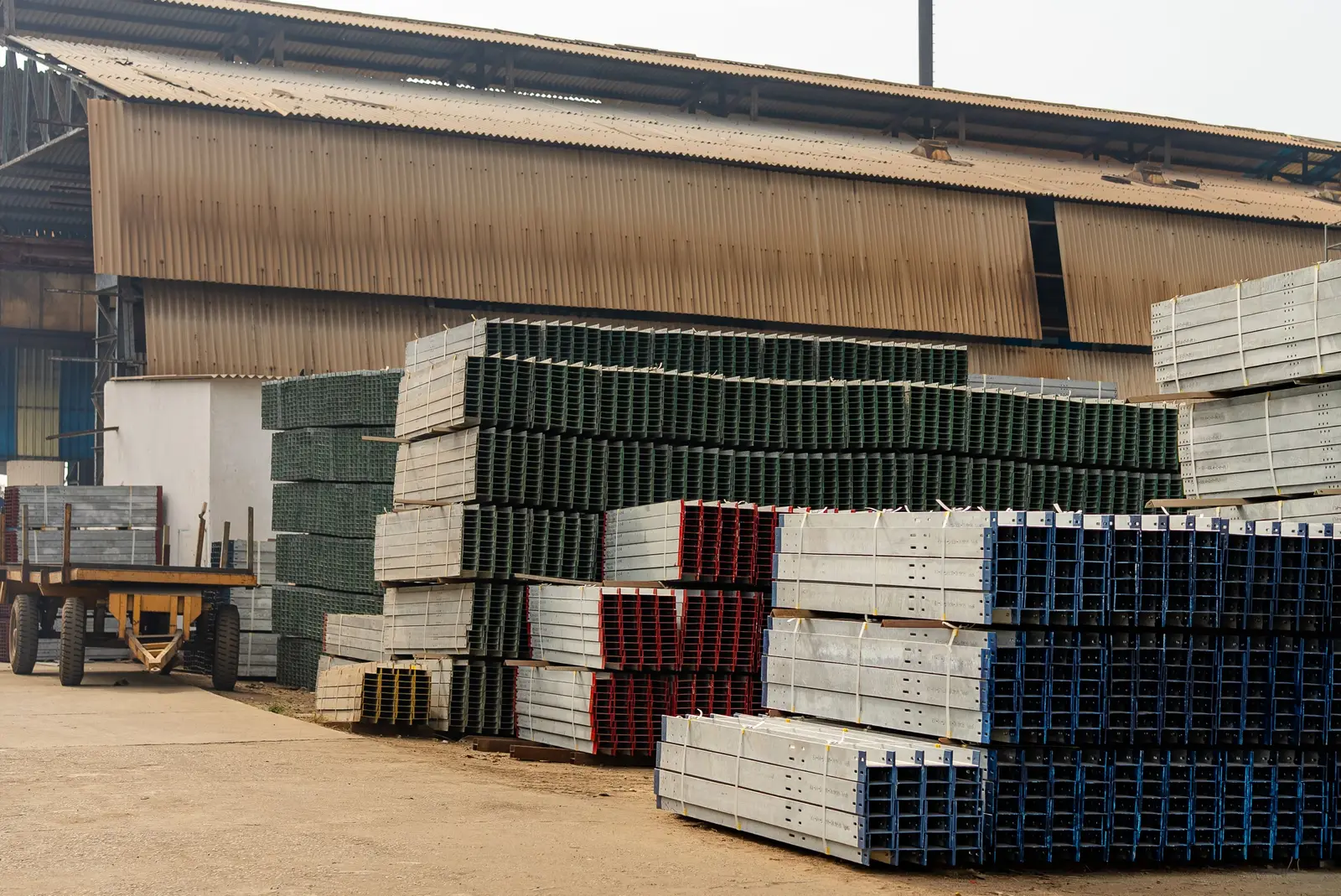
What Buyers Are Up Against
Price Increases and Escalation
Suppliers pass on rises quickly. You need to know whether the claim matches the index, the clause and the market.
Specification Substitutions
Cheaper alternatives can fail compliance or warranty requirements. Equivalence needs checking, not assuming.
Heavy, Bulky Freight
Freight and handling can outweigh unit price on heavy materials. Delivered cost decides the comparison.
Programme Risk
A late delivery costs more than a few percent on price. Lead time and supply security belong in the decision.
The Quote Is Only Part of the Decision.
The lowest quote can still cost more once delivery, minimum orders, payment terms, quality and switching are added. We put every offer on the same basis before you decide.
Quote A Lower unit price
Quote B Higher unit price
- Unit price
- Freight and duty
- MOQ and stock
- Payment terms
- Quality and switching
How We Take the Risk Out
Six steps, the same on every engagement. You see the evidence at each one.
- 1
Requirement
We pin down what you actually need: specification, volume, destination, timing and budget.
- 2
Search or Benchmark
We find credible suppliers or test your current supplier against the market.
- 3
Screen
Suppliers that cannot evidence capability, compliance or capacity are removed early.
- 4
Compare
Offers are put on the same basis: unit price, freight, duty, MOQ, payment terms and lead time.
- 5
De-Risk
Qualification, switching and continuity risks are made visible before you commit money.
- 6
Recommendation
You get a written position: proceed, negotiate, second-source, re-source or stay.
Three Ways to Start
Price Deep Dive
- You send
- One price notice
- You get
- What the notice does and does not justify, and the questions to send back
Scope agreed firstFrom US$195
Send the NoticePrice Increase Response
- You send
- Notice, price history, contract
- You get
- A 2-page position, an index evidence table, a reply letter and a 15-minute call
Scope agreed firstFrom US$1,150
Start a ResponseQuote Review
- You send
- 2 to 5 quotes
- You get
- All quotes on one delivered basis, the commitment behind each price, a recommended position
Scope agreed firstFrom US$1,450
Send the QuotesAll prices in US dollars ($), excluding GST or VAT. Not sure which fits? Start with a Free Quote Breakdown.
Before You Start
Can You Review a Price Increase We Have Received?
Yes. Send the notice and your price history. A Price Increase Response sets out what the evidence supports, what it does not, and the questions to send back.
Do You Take Commissions from Building Materials Suppliers?
No. We are paid only by the buyer and take no supplier commissions, so our recommendation is not tied to which supplier you choose.
What Does It Cost?
A Price Deep Dive starts from US$195, a Price Increase Response from US$1,150 and a Quote Review from US$1,450. Scope, fee and timing are confirmed in writing before any work starts. Prices are in US dollars, excluding GST or VAT.
What Do You Need from Us to Start?
The quote, price notice or supplier details, the specification or drawings, your volumes, destination and timing, and a short note on what concerns you. We tell you if anything else is needed before work starts.
Will You Tell Us to Switch Supplier?
Only if the evidence supports it. Staying, renegotiating or adding a second source is often the better answer, and the written position explains why.
Related Guides
 Trade TriggersEU Steel Safeguard Changes in 2026: What Steel Buyers Should CheckThe EU's new steel regime: quotas from 1 July 2026, a 50% out-of-quota duty and melt and pour evidence from 1 October. How to test a steel surcharge.Read the Guide
 Trade TriggersAnti-Dumping Duties in Australia: Check Your Supplier ListAustralian dumping duty is set by goods, country and exporter. A six-step exposure check for your supplier list, a landed cost example and dates to watch.Read the Guide
 Trade TriggersIEEPA Tariff Refunds: What Importers Should CheckIEEPA tariff refunds go to the importer of record. What to check in ACE, what to ask vendors who charged you a tariff surcharge, and a worked example.Read the Guide
 Price IncreasesHow to Check a Supplier's Steel SurchargeHow to check a supplier steel surcharge: steel weight x base price x index movement, with a worked US example on BLS steel indices and UK and AU sources.Read the Guide
- Trade TriggersCBAM Surcharges on Supplier Invoices: What to Ask Before You PayA CBAM surcharge should equal net embedded emissions times the certificate price for the quarter of import. The data to ask for, a worked test, and dates.Read the Guide
 Quote ComparisonDDP vs DAP: Who Pays the Duty?DDP vs DAP for buyers: who pays duty and import VAT, who is the importer of record, a floor test for DDP quotes that look too cheap, and 9 checks to run.Read the Guide
Send the Quote.
Tell us what you are buying and what is worrying you. We reply with what we would check first and what it would cost.