
Sourcing from China
Sourcing from China gives you more supplier choice than almost anywhere else, which is exactly the problem: hundreds of suppliers look the same online, quotes are built on different assumptions, and the cheapest unit price is rarely the cheapest delivered cost. We help you find the suppliers worth talking to and test their offers before money moves.
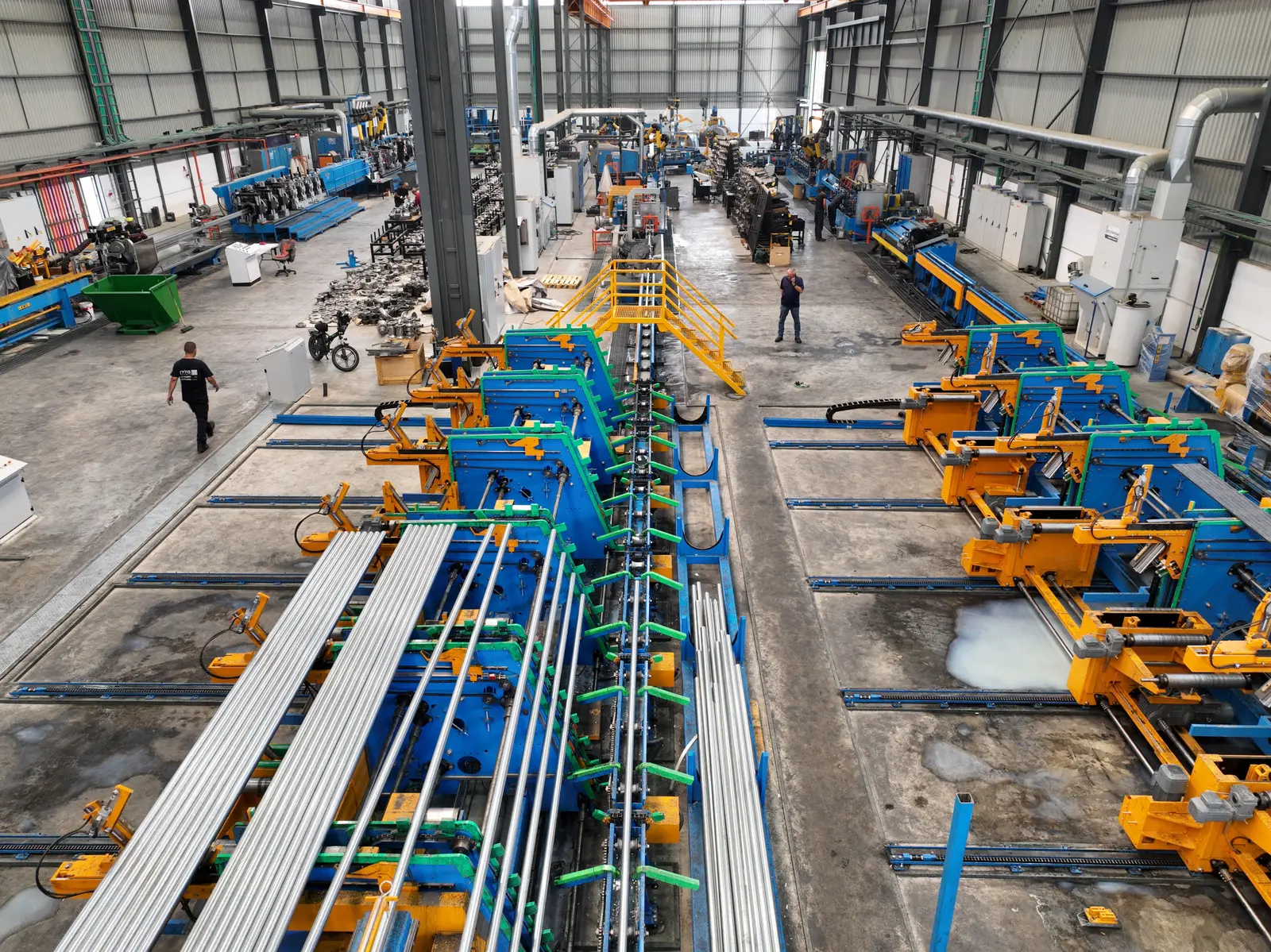
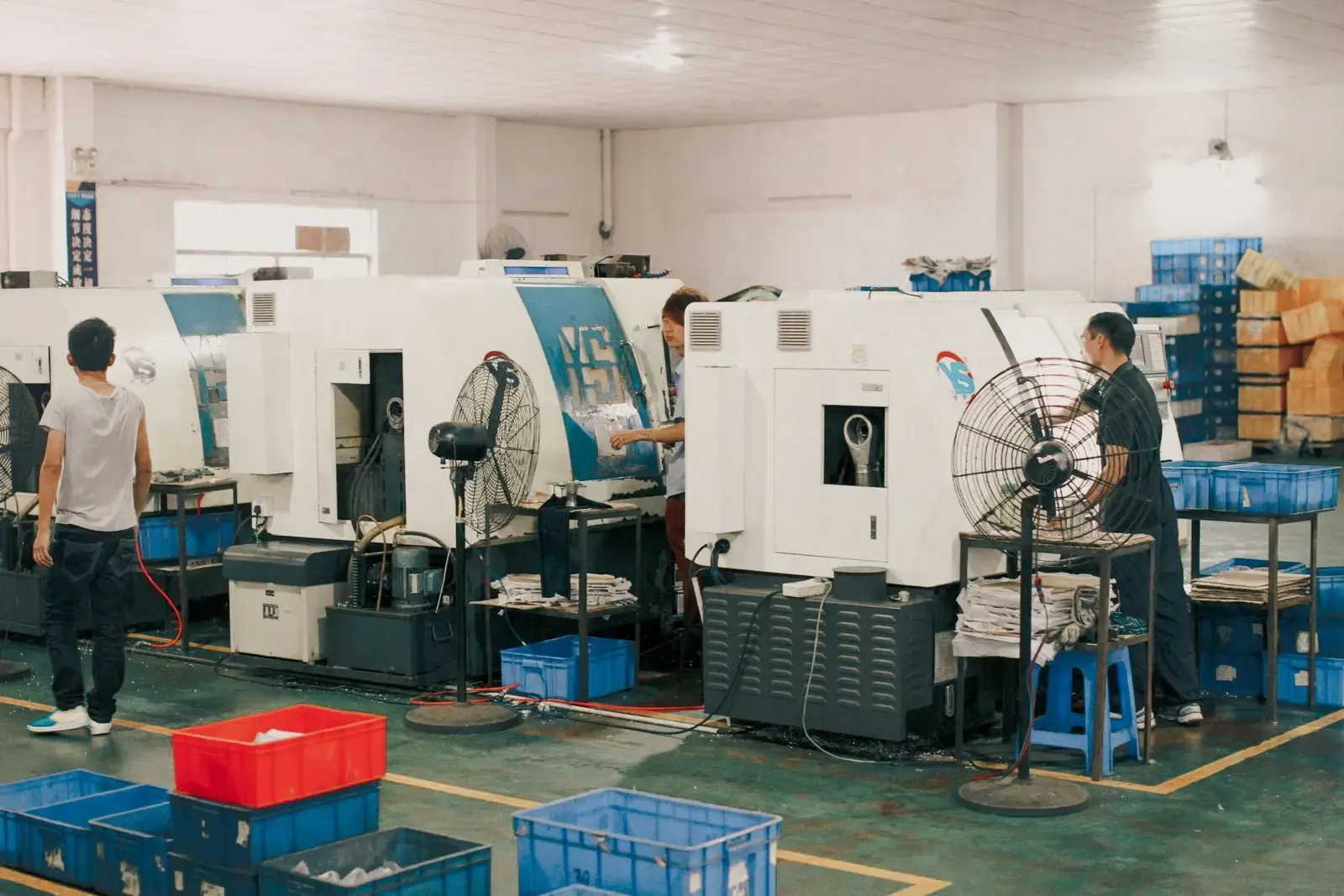
What Buyers Are Up Against
Too Many Lookalike Suppliers
Factories, trading companies and resellers present the same way online. You need to know who actually makes the product.
Quotes You Cannot Compare
Different Incoterms, MOQs, tooling charges and payment terms make side-by-side comparison misleading.
Quality After the Sample
A good golden sample does not guarantee consistent bulk production. Inspection and acceptance criteria need agreeing up front.
Payment and Contract Exposure
Large deposits and loose terms put the risk on you. Terms should match the evidence you have about the supplier.
The Quote Is Only Part of the Decision.
The cheapest quote from China can still cost more once freight, duty, minimum orders, payment terms and quality are added. We put every offer on the same basis before you decide.
Quote A Lower unit price
Quote B Higher unit price
- Unit price
- Freight and duty
- MOQ and stock
- Payment terms
- Quality and switching
How We Take the Risk Out
Six steps, the same on every engagement. You see the evidence at each one.
- 1
Requirement
We pin down what you actually need: specification, volume, destination, timing and budget.
- 2
Search or Benchmark
We find credible suppliers or test your current supplier against the market.
- 3
Screen
Suppliers that cannot evidence capability, compliance or capacity are removed early.
- 4
Compare
Offers are put on the same basis: unit price, freight, duty, MOQ, payment terms and lead time.
- 5
De-Risk
Qualification, switching and continuity risks are made visible before you commit money.
- 6
Recommendation
You get a written position: proceed, negotiate, second-source, re-source or stay.
Three Ways to Start
Sourcing Feasibility Brief
- You send
- Product, target cost, volume
- You get
- Import versus local on one delivered basis, and which market to test first
Scope agreed firstQuoted After Scoping
Test an ImportSupplier Search and Qualification
- You send
- Specification and criteria
- You get
- 3 to 5 screened suppliers, the evidence behind each and the open checks
Scope agreed firstQuoted After Scoping
Find a SupplierQuote Review
- You send
- 2 to 5 quotes
- You get
- All quotes on one delivered basis, the commitment behind each price, a recommended position
Scope agreed firstFrom US$1,450
Send the QuotesAll prices in US dollars ($), excluding GST or VAT. Not sure which fits? Start with a Free Quote Breakdown.
Before You Start
Can You Help if We Already Buy from China?
Yes. We can test your current supplier’s price and terms against credible alternatives, so you can renegotiate, add a second source or stay with evidence behind the decision.
Do You Take Commissions from Suppliers in China?
No. We are paid only by the buyer and take no supplier commissions, so our recommendation is not tied to which supplier you choose.
What Does It Cost?
A Price Deep Dive starts from US$195, a Price Increase Response from US$1,150 and a Quote Review from US$1,450. Scope, fee and timing are confirmed in writing before any work starts. Prices are in US dollars, excluding GST or VAT.
What Do You Need from Us to Start?
The quote, price notice or supplier details, the specification or drawings, your volumes, destination and timing, and a short note on what concerns you. We tell you if anything else is needed before work starts.
Will You Tell Us to Switch Supplier?
Only if the evidence supports it. Staying, renegotiating or adding a second source is often the better answer, and the written position explains why.
China: What the Evidence Says
Figures come from the public sources named in the text, with their dates.
China is too large and too diverse to evaluate with a simple “cheap versus expensive” sourcing narrative.
For many industrial categories, its advantage is the depth of the manufacturing ecosystem: multiple supplier tiers, tooling, process capability, upstream component networks, engineering support, export experience and logistics infrastructure concentrated across mature industrial regions.
That depth does not make China the automatic answer.
A buyer still needs to test whether the relevant supplier market fits the product, volume, destination, compliance requirements, lead time and commercial objectives.
Merillgrove approaches China sourcing from the requirement outward.
Requirement first. Supplier market second. Commercial decision third.
DECISION SUMMARY
China is most compelling when the buyer values supplier depth, process maturity, tooling, engineering capability or a broad upstream ecosystem.
The decision becomes weaker where the buyer's main objective is diversification away from China, very small MOQ, a specific origin/tariff outcome, or a category where another country has a stronger local material or manufacturing advantage.
The correct question is not:
Is China a good sourcing country?
It is:
For this requirement, does China's supplier ecosystem create enough commercial advantage to justify deeper execution?
Read the Full Evidence (13 More Sections)
CURRENT INDUSTRIAL EVIDENCE
China remained an exceptionally large manufacturing economy in 2025. The National Bureau of Statistics reported manufacturing value added of approximately RMB 34.7 trillion in 2025, up 6.1% year on year. Among industrial enterprises above designated size, manufacturing value added rose 6.4%, while equipment manufacturing rose 9.2% and high-tech manufacturing 9.4%.
Those figures support a broad conclusion: China continues to have substantial industrial depth.
They do not prove that a specific buyer's supplier market is deep enough.
The country-level evidence is therefore a starting point. Category-level supplier research still has to answer:
- how many relevant manufacturers exist;
- where they are concentrated;
- what processes they control;
- whether required certifications are available;
- what capacity is actually accessible;
- whether the commercial terms fit the buyer.
WHERE CHINA'S DEPTH CAN MATTER
China can be particularly strong where a requirement depends on a dense network of specialist capabilities.
Examples can include:
- electrical and electronic equipment;
- machinery and automation;
- metal fabrication;
- tooling and moulding;
- plastics and engineered components;
- building products;
- industrial consumables;
- selected furniture/interiors categories;
- multi-component assemblies.
These are category hypotheses, not blanket claims. Each live engagement should validate the exact supplier universe.
The practical advantage of a deep supplier ecosystem is optionality.
A buyer can compare more credible suppliers, test alternative processes, develop second sources and create competition without changing markets.
That can be commercially valuable even where China is not the lowest-cost labour market.
INDUSTRIAL CLUSTERS
China's manufacturing capability is regionally concentrated rather than evenly distributed.
A sourcing programme should therefore identify the cluster that matters to the requirement.
Cluster logic can include:
- Pearl River Delta / Guangdong for broad electronics, electrical, consumer and industrial manufacturing;
- Yangtze River Delta / Jiangsu-Zhejiang-Shanghai for machinery, electronics, chemicals, precision manufacturing and broad industrial supply;
- Shandong for machinery, materials and manufacturing;
- Fujian for selected footwear, textiles, materials and export manufacturing;
- inland clusters where specific categories have developed.
These examples should be treated as starting points. The page should not publish a category-to-province claim unless supporting evidence is available.
SUPPLIER DEPTH VS SUPPLIER FIT
A deep market can still produce a weak shortlist.
A buyer searching for a simple metal component may identify hundreds of candidate companies. Most can still be wrong because of:
- process mismatch;
- material mismatch;
- export-market mismatch;
- MOQ;
- certification;
- capacity;
- quality-system requirements.
The supplier-search process therefore needs to move from:
VISIBLE COMPANY → RELEVANT COMPANY → CAPABILITY EVIDENCE → QUALIFICATION CANDIDATE
China's scale makes this filtering more important, not less.
China should not be evaluated on wage cost alone.
A buyer may pay a higher factory labour rate than in another sourcing market and still achieve a stronger commercial result if the supplier ecosystem provides:
- higher productivity;
- better tooling access;
- shorter development cycle;
- local upstream components;
- lower MOQ;
- stronger competition;
- more mature export processes.
Conversely, a low unit quote can still be weak after:
- tooling;
- payment;
- freight;
- duty;
- inventory;
- switching cost.
The right comparison is the buyer's landed and operating economics, not a national labor-cost headline.
MOQ AND COMMERCIAL TERMS
MOQ varies by category and supplier structure.
Large factories may optimise for scale and be commercially unattractive to a small buyer. Smaller manufacturers, specialist suppliers, traders or distributors may offer more flexibility.
That means supplier role matters.
The buyer should understand whether the commercial relationship is with:
- factory;
- assembler;
- trader;
- distributor.
The cheapest route is not always direct-to-factory if the buyer's volume is low or inventory flexibility matters.
QUALITY AND COMPLIANCE
China's supplier base ranges from highly sophisticated export manufacturers to companies that are unsuitable for demanding buyer requirements.
Country reputation is therefore a poor substitute for supplier qualification.
Qualification should consider:
- site identity;
- process capability;
- certification scope;
- quality systems;
- product compliance;
- sample/first article;
- capacity;
- subcontracting;
- traceability where required.
A valid certificate should be checked against the legal entity, site and activity.
LEAD TIME AND LOGISTICS
China's mature export infrastructure can be a major advantage, but actual lead time depends on:
- manufacturing cycle;
- supplier backlog;
- port/route;
- inland origin;
- buyer destination;
- consolidation;
- peak seasons.
The buyer should distinguish production lead time from door-to-door replenishment time.
A supplier that quotes a short production cycle can still create a long operating lead time if materials, inspection, consolidation or shipping are slow.
Diversification should solve a defined risk.
A company may want a China+1 strategy for resilience, tariff exposure, customer requirements or geographic concentration.
That can be sensible.
But moving final assembly to another country does not necessarily remove China dependency if critical components, tooling or materials continue to come from China.
A diversification exercise should therefore map:
- final manufacturing;
- critical upstream components;
- tooling;
- material origin;
- port/logistics exposure;
- certification dependence.
The target is not merely a different country label.
It is a different risk profile.
WORKED BUYER EXAMPLE
An Australian importer needs a recurring electromechanical assembly.
China:
- broad visible supplier universe;
- mature component ecosystem;
- strong tooling access;
- several suppliers with relevant export evidence.
Vietnam:
- smaller visible supplier universe;
- credible final-assembly capability;
- some upstream components still sourced from China.
The buyer's immediate objective is supplier replacement, not geopolitical diversification.
A defensible decision may therefore be:
Use China for the primary qualification sprint because supplier depth is stronger; test Vietnam separately as a second-source path where upstream dependence can be reduced.
The decision follows the requirement rather than a generic country preference.
HOW MERILLGROVE CAN SUPPORT THE DECISION
A China engagement can be scoped around:
- source-market fit;
- supplier search;
- shortlist review;
- supplier qualification;
- RFQ and quote normalisation;
- incumbent China supplier cost review;
- China-versus-alternative-market comparison.
The page should link directly into:
- Supplier Search & Qualification;
- Supplier Cost Review;
- Asia Sourcing;
- Procurement / Fractional Procurement.
FAQ
Is China still competitive for sourcing?
For many categories, China remains commercially strong because of supplier and ecosystem depth. The answer still depends on the exact requirement.
Is China always cheaper than Vietnam?
No. Factory price and total commercial economics vary by category, supplier, volume, destination and terms.
Can Merillgrove find direct manufacturers?
Yes where manufacturer evidence can be established. Supplier role should remain explicit rather than assumed.
Should I diversify away from China?
That depends on the risk you are trying to reduce. A China+1 strategy should be tested at the dependency level, not just the factory address.
Can you compare China with Vietnam?
Yes. The comparison should use the same requirement and commercial basis.
Source register
National Bureau of Statistics of China, Statistical Communiqué of the People's Republic of China on the 2025 National Economic and Social Development, published 28 Feb 2026.
https://www.stats.gov.cn/english/PressRelease/202602/t20260228_1962661.htmlNational Bureau of Statistics of China, Preliminary Accounting Results of GDP for the Fourth Quarter and Full Year of 2025, published 21 Jan 2026.
https://www.stats.gov.cn/english/PressRelease/202601/t20260121_1962363.html
Evidence note: Country-level industrial data supports national manufacturing depth only. Supplier/category claims must be validated independently before publication if stated as factual.
Related Guides
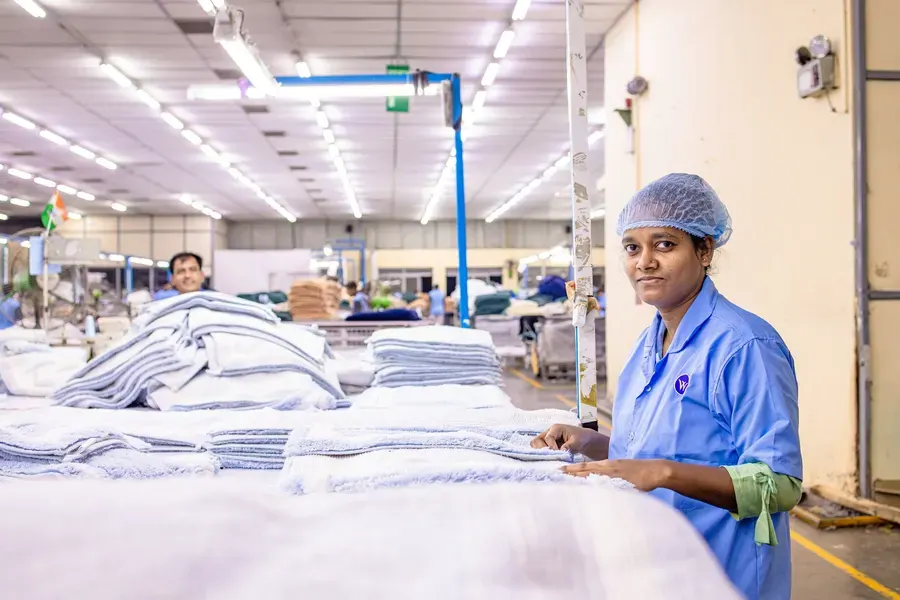 Asia SourcingChina Plus One: Is Moving a Product Out of China Worth It?A China plus one test for importers: switching cost against duty and cost saving, a landed-cost break-even, three duty scenarios and a decision ladder.Read the Guide
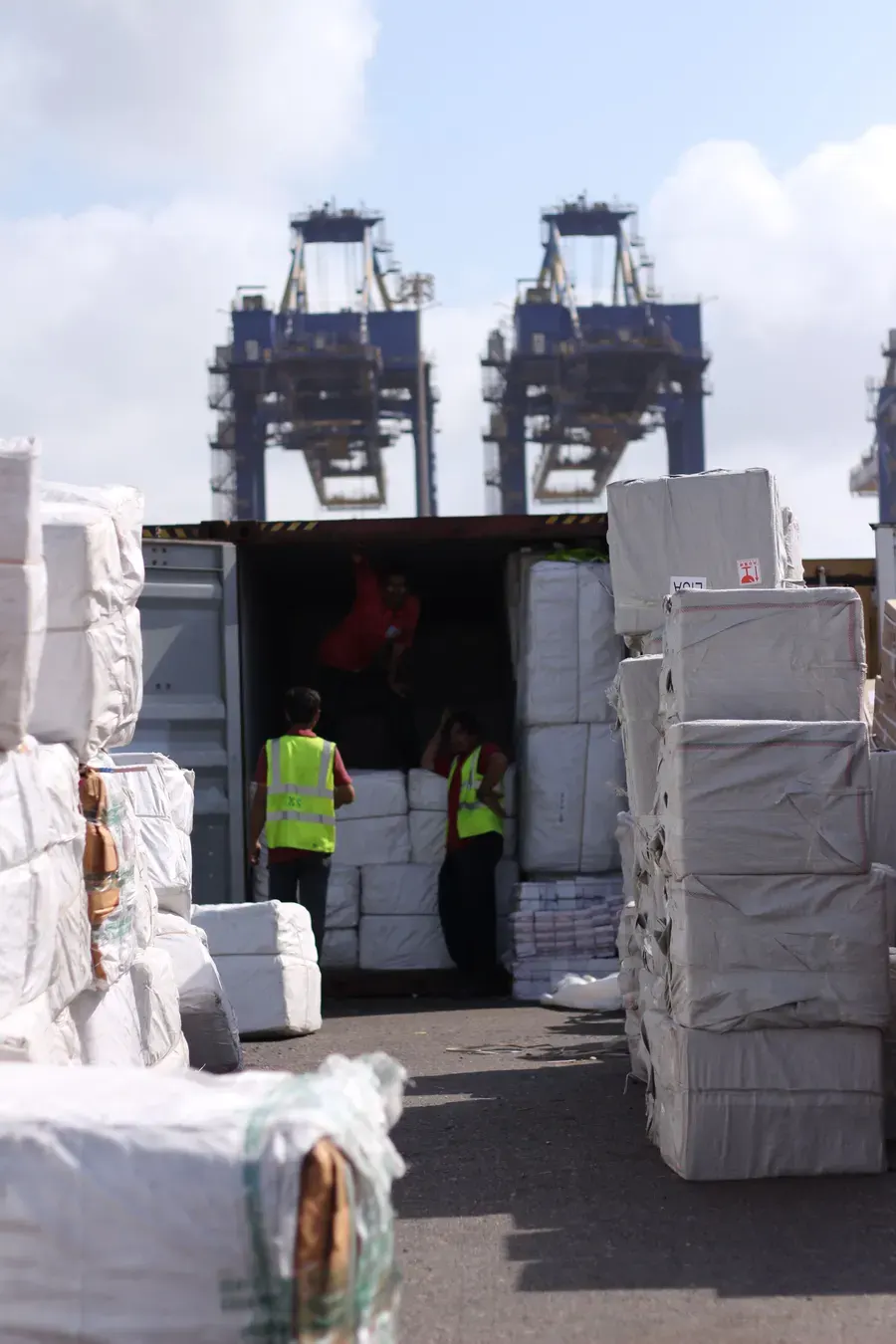 Asia SourcingSourcing From Vietnam vs China: Compare the Landed CostSourcing from Vietnam vs China, compared as landed cost per unit: price, freight, duty scenarios, deposit, defects and MOQ, with the break-even duty gap.Read the Guide
 Quote ComparisonDDP vs DAP: Who Pays the Duty?DDP vs DAP for buyers: who pays duty and import VAT, who is the importer of record, a floor test for DDP quotes that look too cheap, and 9 checks to run.Read the Guide
 Trade TriggersSection 301 Tariff Exclusions End in November 2026: What US Importers Should Do NowThe 178 China Section 301 exclusions run out on 9 November 2026. What the notice says, a landed cost re-run and a dated action list for US importers.Read the Guide
- Trade TriggersIEEPA Tariff Refunds: What Importers Should CheckIEEPA tariff refunds go to the importer of record. What to check in ACE, what to ask vendors who charged you a tariff surcharge, and a worked example.Read the Guide
 Trade TriggersEU Steel Safeguard Changes in 2026: What Steel Buyers Should CheckThe EU's new steel regime: quotas from 1 July 2026, a 50% out-of-quota duty and melt and pour evidence from 1 October. How to test a steel surcharge.Read the Guide
Send the Quote.
Tell us what you are buying and what is worrying you. We reply with what we would check first and what it would cost.